
Executive Summary & Policy Impact
The Consortia Advancing Standards in Research Administration Information (CASRAI) has released its comprehensive 2026 revision for institutional generative AI governance. Rather than applying sweeping prohibitions or unchecked permissions, this revised standard introduces a granular, multi-tiered taxonomy designed to categorize computational research tools across scholarly communication pipelines. Research administrations worldwide face fragmented guidelines across funding agencies, journals, and university honor councils. The CASRAI update resolves these ambiguities by creating clear operational tiers that distinguish pure assistive editing from substantive algorithmic synthesis.
Under this new framework, research teams must document artificial intelligence interactions using standardized metadata tags integrated directly into citation trees and grant management platforms. The framework replaces ambiguous syllabus statements with exact behavioral definitions, ensuring that authors, reviewers, and administrative boards evaluate compliance using reproducible audit trails rather than speculative automated detectors.
Core Analytical Benchmark
“Standardizing the taxonomy of AI engagement is no longer optional for scholarly integrity. Institutions must distinguish between assistive proofreading, data analysis execution, and synthetic conceptualization through auditable source role records.”
Source: CASRAI International Research Policy Working Group Report, Section 4.2Methodological Critique & Evidentiary Findings
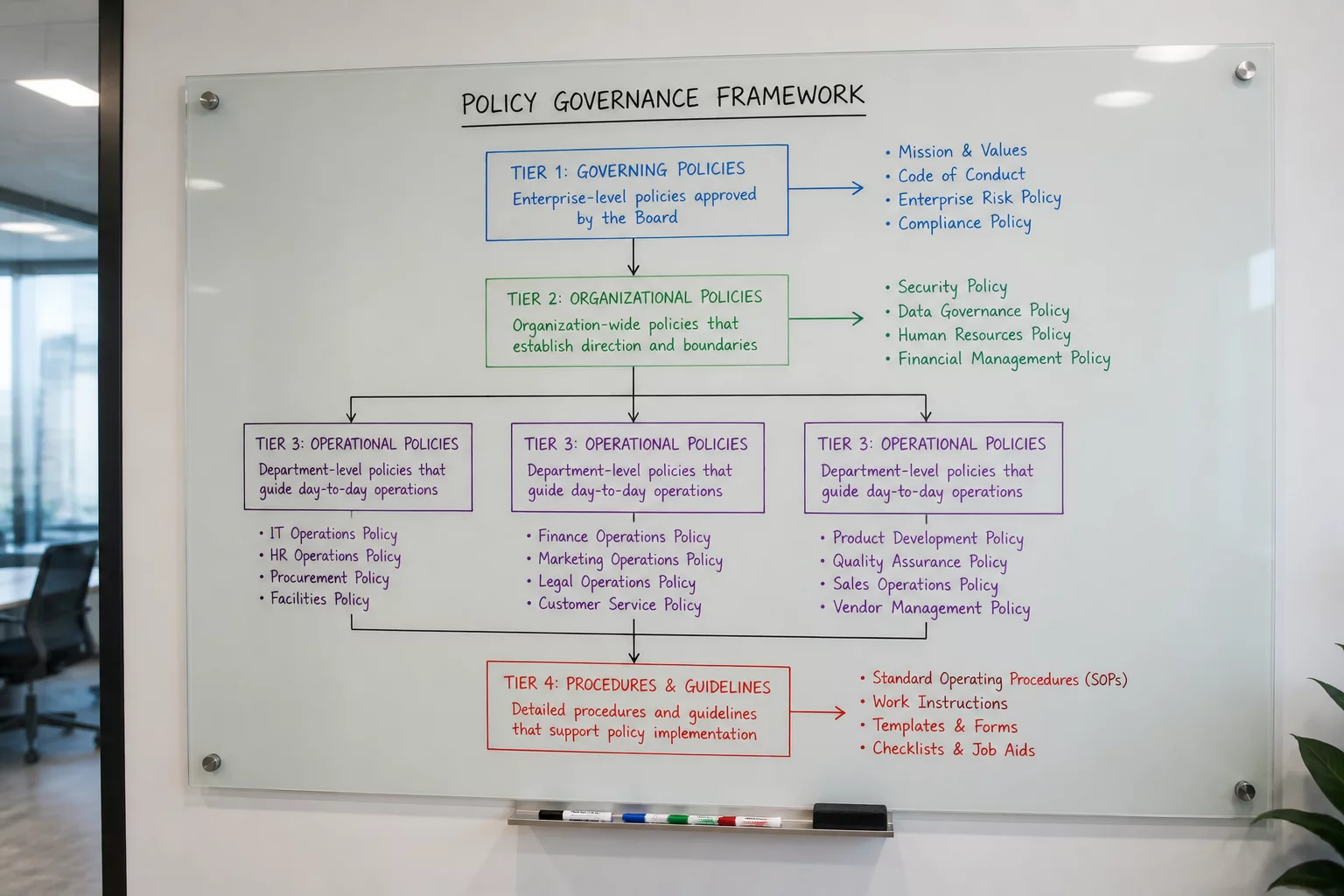
The core breakthrough of the updated CASRAI release lies in its operational breakdown into four distinct levels of intervention: Level 0 (Prohibited Synthetic Content), Level 1 (Grammatical & Syntactic Refinement), Level 2 (Analytical Scripting & Data Formatting), and Level 3 (Collaborative Ideation & Literature Mapping). Each level carries corresponding disclosure mandates, validation responsibilities, and citation role schemas. For example, Level 1 assistive modifications require only standard methodological acknowledgment, whereas Level 2 data transformations require machine-readable code attachments and reproducible repository records.
Furthermore, the guidance expressly cautions academic integrity committees against relying on probabilistic detection scores as primary evidence of misconduct. CASRAI emphasizes that automated detectors exhibit non-trivial false-positive distributions, especially when analyzing manuscripts authored by non-native English scholars. The guidance mandates that disciplinary actions rely exclusively on document version histories, primary repository diffs, and oral thesis defense inquiries.
Structured Policy Directives
- Mandatory adoption of machine-readable CRediT extensions defining specific AI tool intervention roles.
- Prohibition of punitive administrative sanctions based solely on commercial AI detection software probabilities.
- Establishment of verifiable institutional repositories for prompt logs, transformation scripts, and raw experimental datasets.
- Standardized faculty review protocols ensuring equitable evaluation of ESL researchers and cross-disciplinary collaborations.
As research organizations and grant agencies begin adopting these guidelines throughout 2026 and 2027, scholarly publishing platforms will integrate CASRAI taxonomies directly into manuscript submission portals. Researchers who systematically track source roles and maintain structured audit logs will experience seamless peer review compliance, preserving both methodological transparency and ethical standards.
Policy Analyst. (2026). CASRAI Updates Guidance on Multi-Tiered AI Policies. SourceRole Atlas Policy Review, 4(7), 112-118.

Policy Analyst
Research Policy SpecialistSpecializes in research administration standards, international metadata governance, and institutional AI integrity protocols across academic consortia.
Peer Reviews & Scholarly Discussion
0 EntriesSubmit Academic Peer Feedback
Contributions are held for editorial integrity and taxonomy verification before publication.